In this article…
Introduction
Selecting the right heat meter is essential for accurately measuring energy consumption, maintaining system efficiency, and ensuring fair billing across heating and cooling networks.
In residential developments, commercial buildings, and district energy systems, heat meters play a critical role in monitoring usage, allocating costs, and supporting compliance with metering standards.
However, like water or gas metering, the meter itself is only one part of a wider system. Communication capabilities, installation considerations, and long-term reliability all contribute to overall performance.
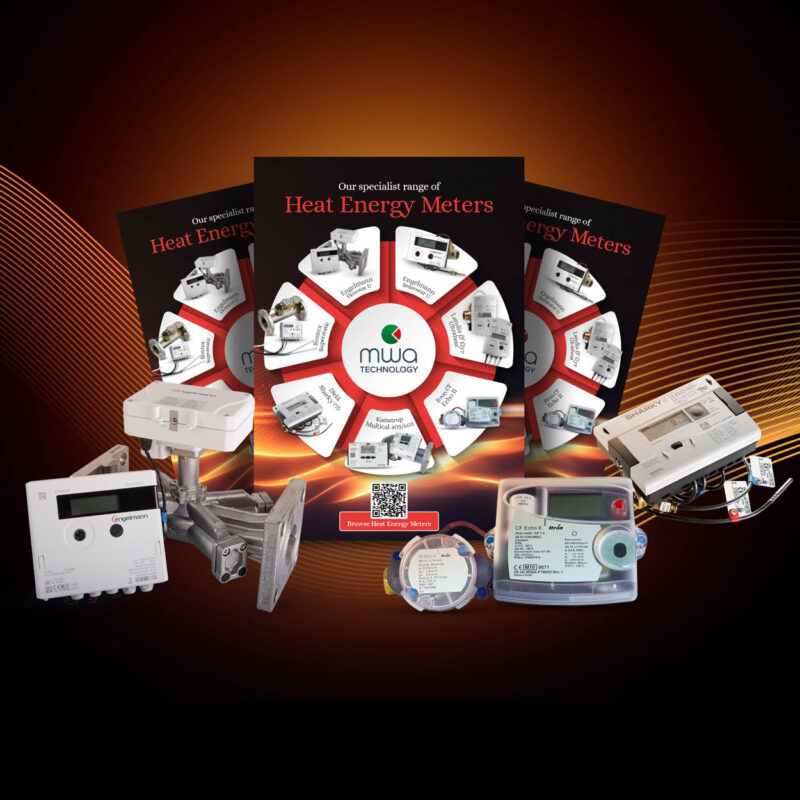
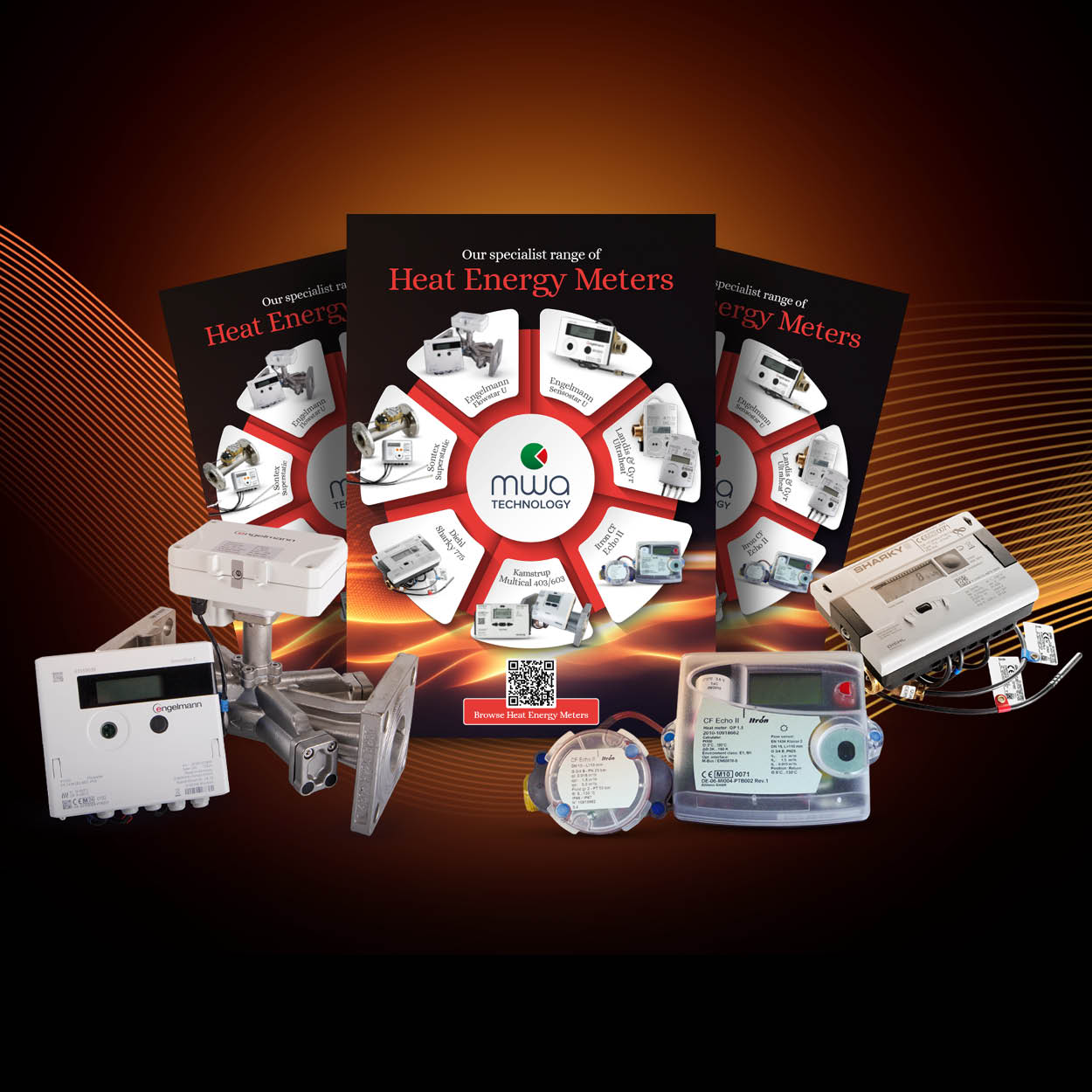
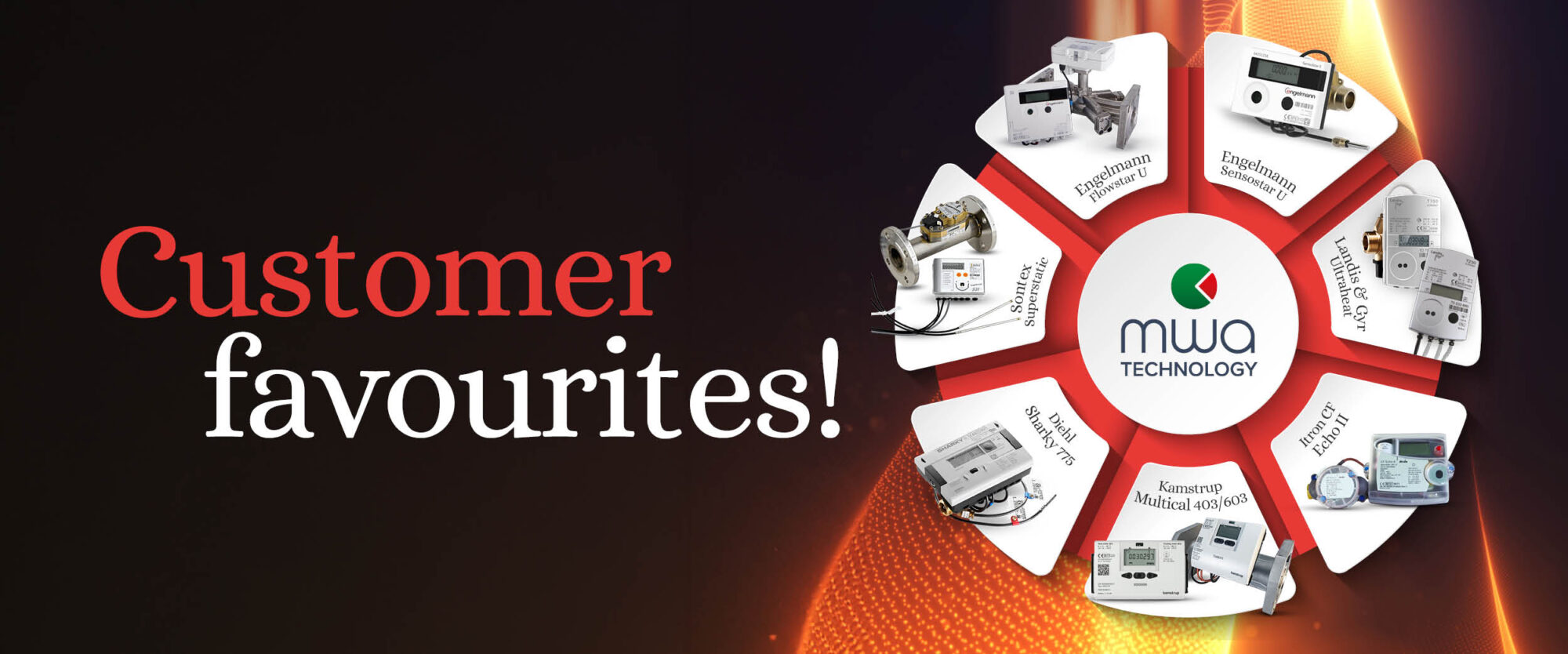
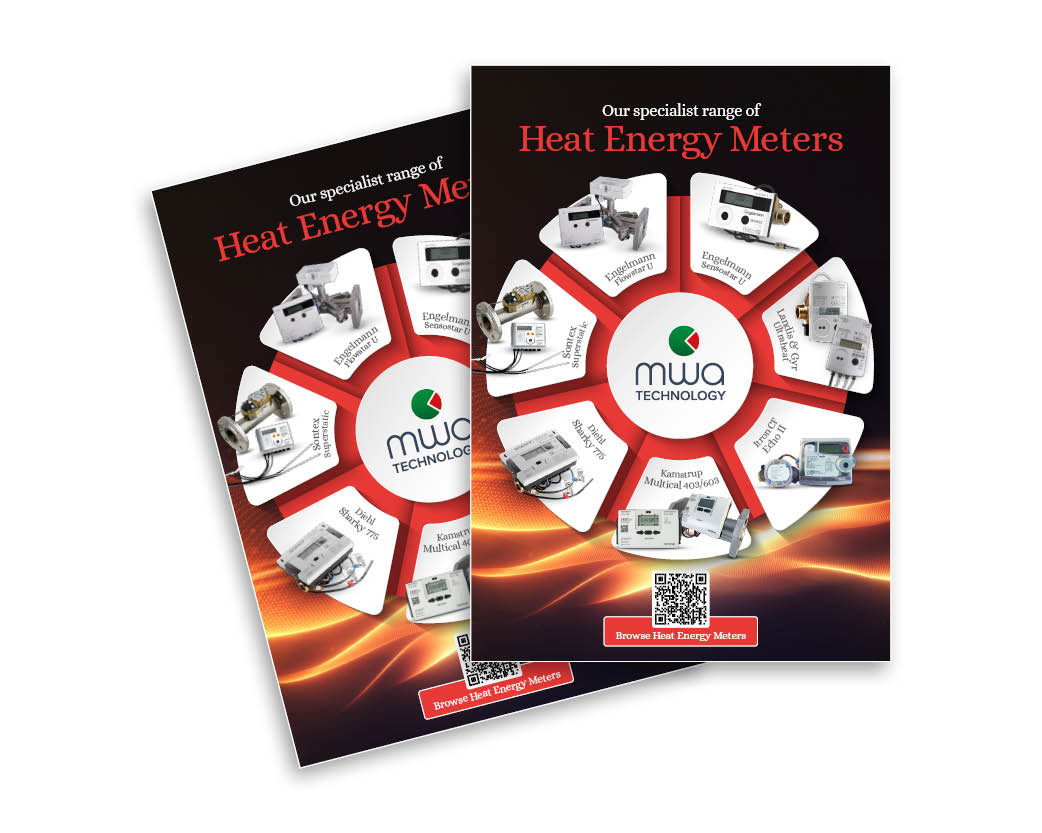
To support engineers, consultants, and procurement teams, MWA Technology has developed a practical mini product guide to heat metering, highlighting proven technologies and customer-favourite solutions.
Why heat meter selection matters
Incorrectly specified heat meters can result in:
- inaccurate billing and energy allocation
- reduced system efficiency
- increased maintenance requirements
- limited visibility of consumption data
In modern heating and cooling systems—particularly district heating networks—accurate energy measurement is essential for both operational performance and cost control.
Key factors to consider include:
- long-term durability
- system type (heating, cooling, or combined)
- flow range and demand variability
- installation constraints
- communication and data requirements
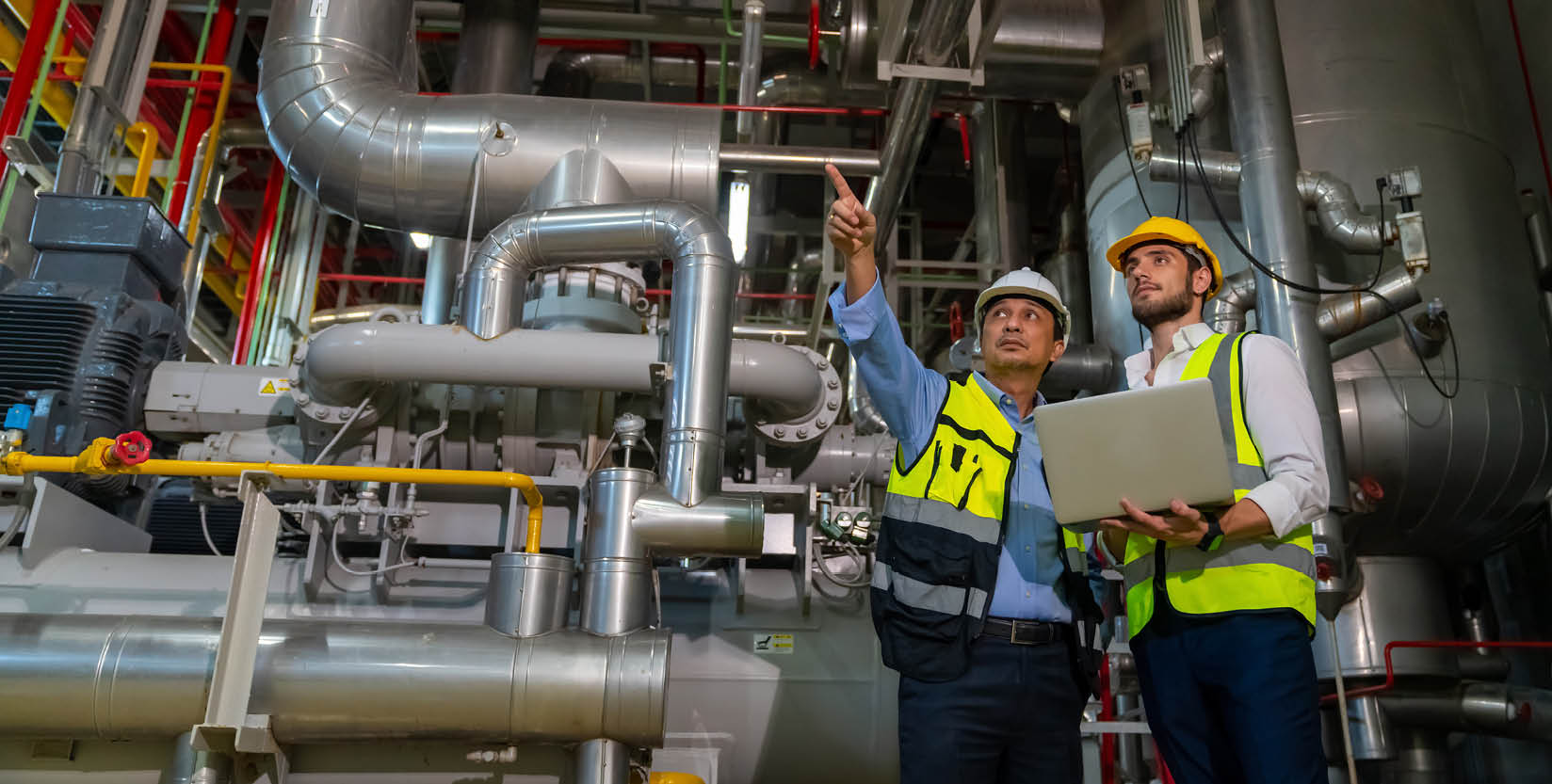
Core heat metering technologies: ultrasonic heat meters
Most modern heat meters use ultrasonic technology to measure flow and calculate energy usage.
This enables:
- high measurement accuracy
- long-term measurement stability
- no mechanical wear
- minimal maintenance requirements
Ultrasonic heat meters are widely used in district energy systems and commercial buildings where reliability and long-term performance are essential.

Smart heat metering and system integration
Modern heat meters increasingly include:
- Wireless M-Bus and M-Bus communication
- LoRaWAN and Modbus compatibility
- Data logging and consumption tracking
- Remote reading and system alerts

These features enable improved energy monitoring, reduced manual readings, better system optimisation, and enhanced visibility across heating networks.
Key features to look for
When selecting a heat meter, consider:

Flexible installation
for real-world environments

MID EN1434 approval
for billing accuracy and compliance
Ultrasonic technology
for long-term performance

Smart communication options
for integration into energy systems
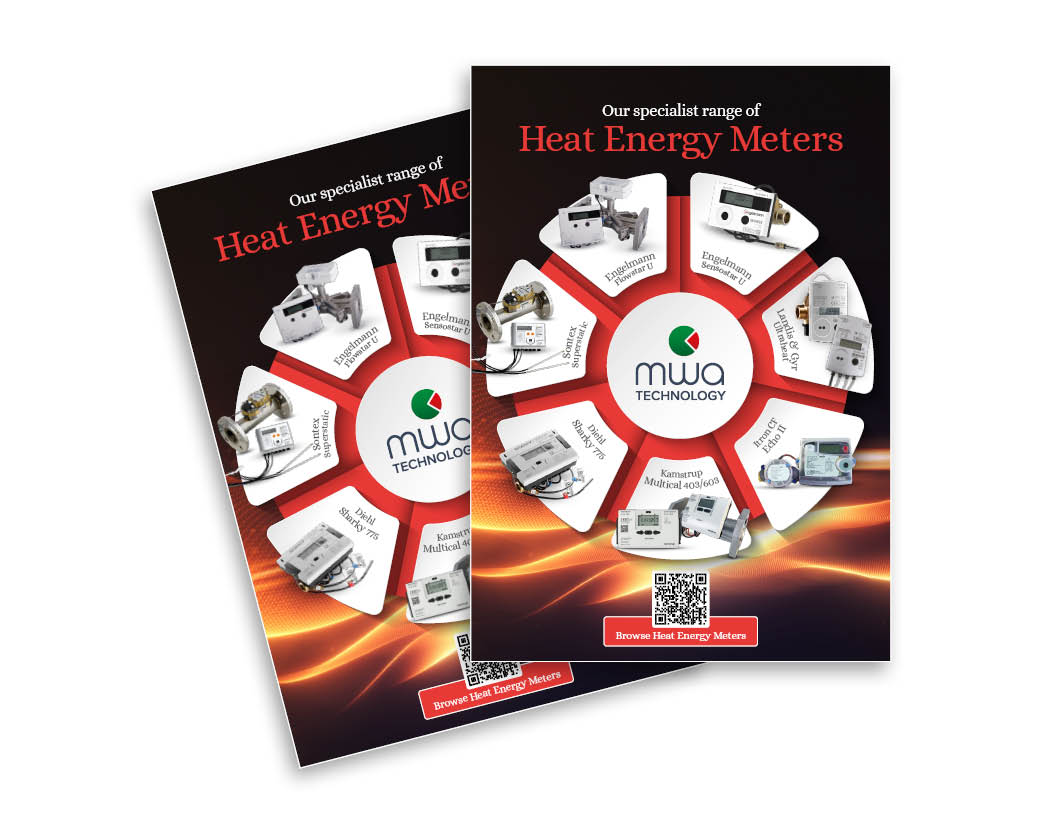
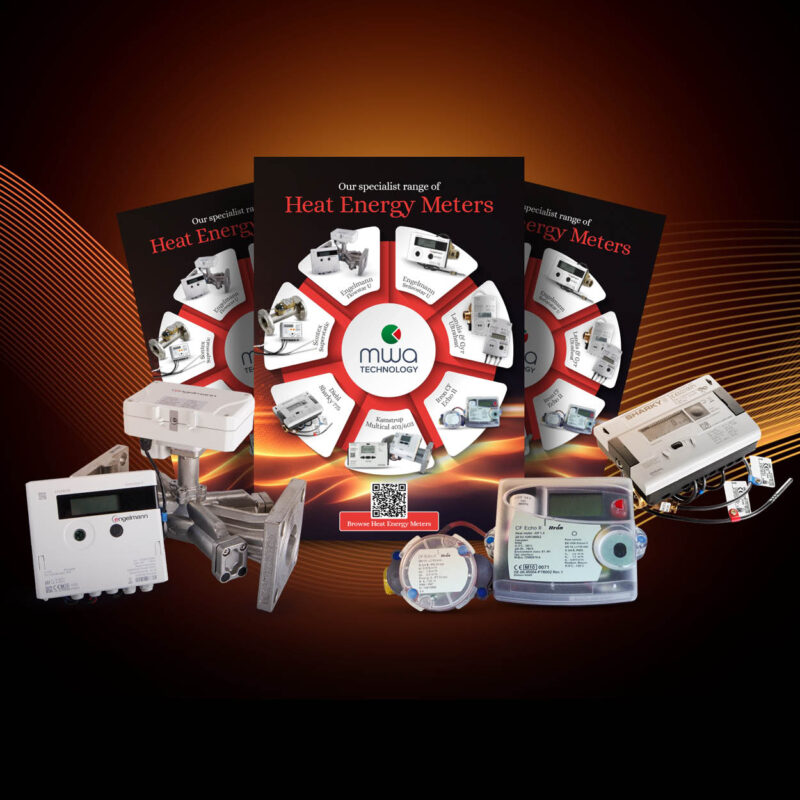
A pocket-sized guide, with dictionary-depth insights
MWA’s mini product guide brings together:
- leading heat metering technologies
- solutions for heating and cooling systems
- smart metering capabilities
- customer-favourite products
Designed to help you quickly identify the right solution for your application.
Supporting you, the MWA way
With over 40 years of experience in metering and instrumentation, MWA Technology supports energy and utilities professionals across the UK and beyond.
From product selection to system integration, our team helps ensure accurate, reliable energy measurement across every application.
Follow us on LinkedIn to stay informed on the latest innovations in metering.
FAQs
What is a heat meter used for?
A heat meter measures thermal energy consumption in heating or cooling systems. It is used in residential buildings, commercial properties, and district energy networks for monitoring usage and billing.
What is the benefit of ultrasonic heat meters?
Ultrasonic heat meters have no moving parts, which reduces wear and improves long-term accuracy, reliability, and maintenance performance.
Can heat meters be used for cooling?
Yes. Many modern heat meters are designed for both heating and cooling applications, including combined systems.
What does MID EN1434 approval mean?
MID EN1434 approval confirms that a heat meter meets European standards for accuracy and is suitable for billing and legal metrology.